Science & Effects

What is Psilocybin?

Discover how this natural psychedelic compound found in magic mushrooms and truffles can act as a powerful catalyst for change.

Introduction to psilocybin

Psilocybin is a naturally occurring psychedelic compound found in certain species of psilocybe truffles and mushrooms, often called "magic mushrooms." When ingested, it converts into psilocin — a molecule that temporarily reshapes how the brain processes information, emotion, and self-perception.

For centuries, these fungi have been used in traditional and indigenous settings for healing, insight, and spiritual connection. Today, a growing body of peer-reviewed research from institutions including Johns Hopkins University and Imperial College London confirms what indigenous cultures have long known: psilocybin holds profound potential for mental health and human development.1

In the Netherlands — where psilocybin truffles are legal — carefully guided retreats offer a safe, professional, and legally compliant setting for this exploration. At Evolute Institute, our retreats integrate the latest science with experienced facilitation, supporting participants in personal and professional development that lasts well beyond the experience itself.

How does psilocybin work in the brain?

Psilocybin converts to psilocin

When psilocybin is ingested, the body rapidly converts it into psilocin — the active molecule that crosses the blood-brain barrier. Psilocin binds primarily to 5-HT2A serotonin receptors, triggering a cascade of changes in how brain networks communicate with each other.2

This is not a blunt chemical override — it is more like a temporary loosening of the brain's habitual architecture, creating space for new patterns of thought and feeling to emerge.

The Default Mode Network and neuroplasticity

One of psilocybin's most studied effects is its disruption of the Default Mode Network (DMN) — the brain region associated with self-referential thinking, rumination, and the maintenance of our habitual sense of self.2

Under psilocybin, DMN activity decreases significantly, while communication between brain regions that do not normally interact increases.3 This state of heightened cross-network connectivity — sometimes referred to as "neural entropy" — is thought to underlie the cognitive flexibility, emotional openness, and sense of expanded perspective that many participants report. Neuroimaging studies suggest these changes in brain connectivity can persist for weeks after a single session, providing a window for lasting change when supported by integration.4

What this means in practice

This cognitive flexibility allows participants to observe familiar thoughts, beliefs, and behavioural patterns from a new vantage point — often with greater compassion and less defensive rigidity.

When supported by careful preparation and structured integration, these moments of insight can translate into meaningful, lasting change in how people think, feel, and act.

What are the therapeutic benefits of psilocybin?

Depression, anxiety, PTSD, and addiction

A rapidly expanding body of peer-reviewed research demonstrates psilocybin's potential across a range of mental health conditions. A 2021 randomised controlled trial published in the New England Journal of Medicine found psilocybin therapy comparable in effectiveness to escitalopram (a common SSRI) for major depressive disorder.1

  • A 2016 study in The Lancet Psychiatry showed significant reductions in treatment-resistant depression after just two psilocybin sessions.5
  • Research from Johns Hopkins University found substantial and sustained reductions in anxiety and depression in patients with life-threatening cancer diagnoses.6
  • Studies show promising results for addiction, including smoking cessation and alcohol use disorder.7

Emotional processing and self-compassion

Rather than suppressing or numbing symptoms, psilocybin appears to work by deepening emotional access — allowing participants to revisit difficult memories, beliefs, or feelings with a quality of compassionate distance that everyday consciousness rarely affords.8

With experienced facilitation, this process can help dissolve emotional blockages that have resisted conventional therapeutic approaches. Participants frequently describe a capacity to engage with painful material without being overwhelmed by it — a quality researchers sometimes refer to as "affective flexibility." This opening, when met with skilled support, often marks the beginning of significant and lasting change.

Well-being, meaning, and lasting outcomes

Beyond symptom reduction, participants consistently report lasting increases in well-being, self-compassion, gratitude, and clarity of purpose.6 Research suggests these benefits are strongly shaped by the quality of integration support that follows the experience.

Integration is the structured process of making meaning from the experience and applying it to daily life. Studies indicate that without this support, the window of neuroplasticity opened by psilocybin is far less likely to translate into durable change.12 At Evolute, integration is not an afterthought: it is a dedicated two-month phase of the EvoSHIFT program, designed to anchor insight into lasting transformation.

Psilocybin retreats in the Netherlands:
what you need to know
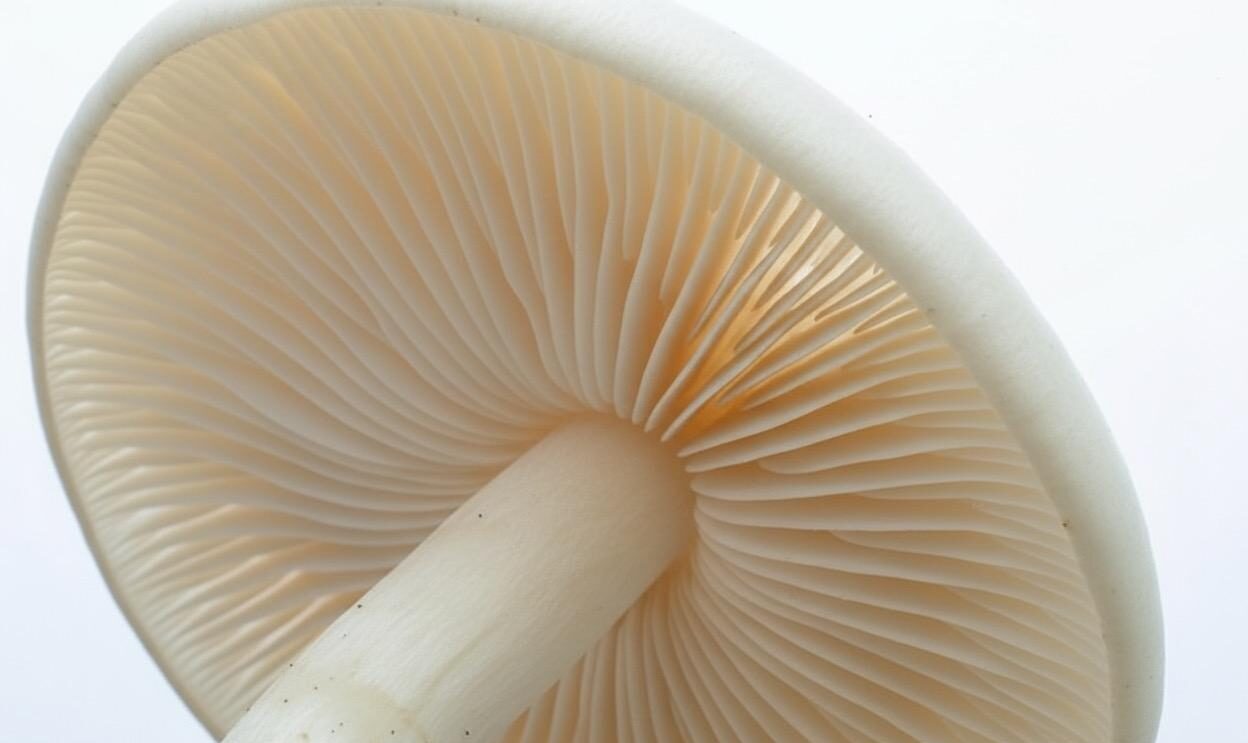
Psilocybin mushroom
Duration & arc of the experience

How long does a psilocybin experience last?

A psilocybin experience at a retreat dose follows a predictable arc:

  • Onset: 20–60 minutes after ingestion
  • Peak: 2–3 hours, typically the most intense and visually or emotionally rich phase
  • Plateau: 3–5 hours of active experience
  • Gentle return: hours 5–6, effects gradually fade
  • Afterglow: many participants report a calm, open state lasting 12–24 hours

At Evolute Institute, the full ceremony day — including preparation, the experience itself, and grounding — spans approximately 8–10 hours. The day after is dedicated to group sharing and initial integration.
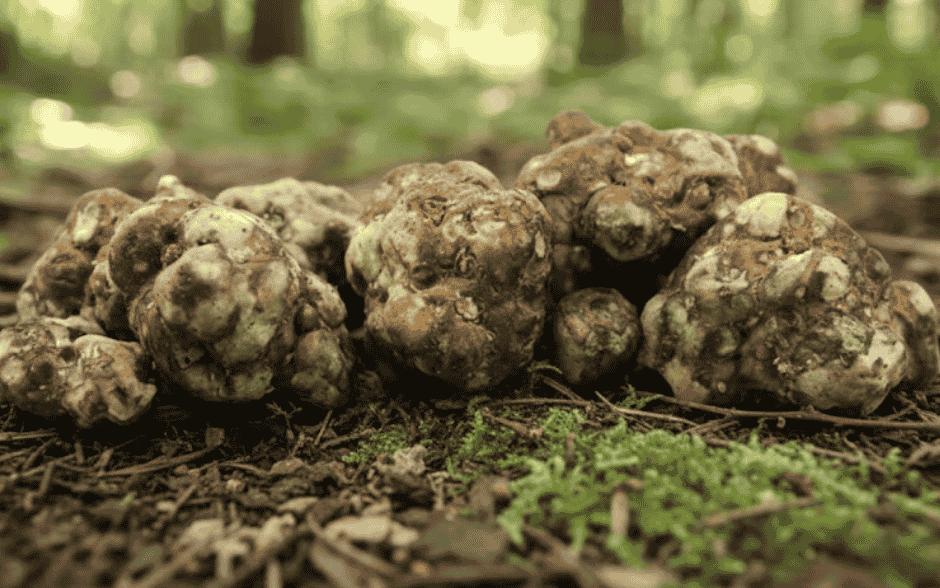
Magic truffles
Truffles vs mushrooms · Legal framework

What is the difference between magic truffles and magic mushrooms?

In the Netherlands, "magic truffles" — the sclerotia of Psilocybe fungi — are legal to possess, prepare, and consume. Magic mushrooms (the fruiting body of the same fungi) remain prohibited under Dutch law. The pharmacological effects of truffles and mushrooms are essentially identical: both contain psilocybin and psilocin in similar concentrations. The distinction is purely botanical and legal — not experiential.

This legal framework makes the Netherlands the most accessible destination in Europe for safe, professional, and fully compliant psilocybin retreats. You can verify the official Dutch government drug policy here.11

Psilocybin retreat
Choosing a retreat provider

What to look for when choosing a psilocybin retreat

The Netherlands has seen rapid growth in psilocybin retreat providers. Quality varies significantly. When evaluating options, prioritise the following:

  • Thorough screening: a reputable provider requires a medical and psychological screening before acceptance — not just a brief questionnaire
  • Medical presence: a licensed physician should be on-site throughout the ceremony, not just "on call"
  • Facilitator ratio: look for a maximum of 2 participants per facilitator — groups of 20+ with two guides are inadequate for the level of support psilocybin experiences can require
  • Preparation and integration: the experience alone is not enough; structured support before and after is what converts insights into lasting change12
  • Transparency about risks: any provider that does not openly discuss contraindications and potential difficulties is not operating to professional standards
  • Group composition: small, intentionally curated groups of like-minded participants create a very different — and more supportive — container than large open retreats
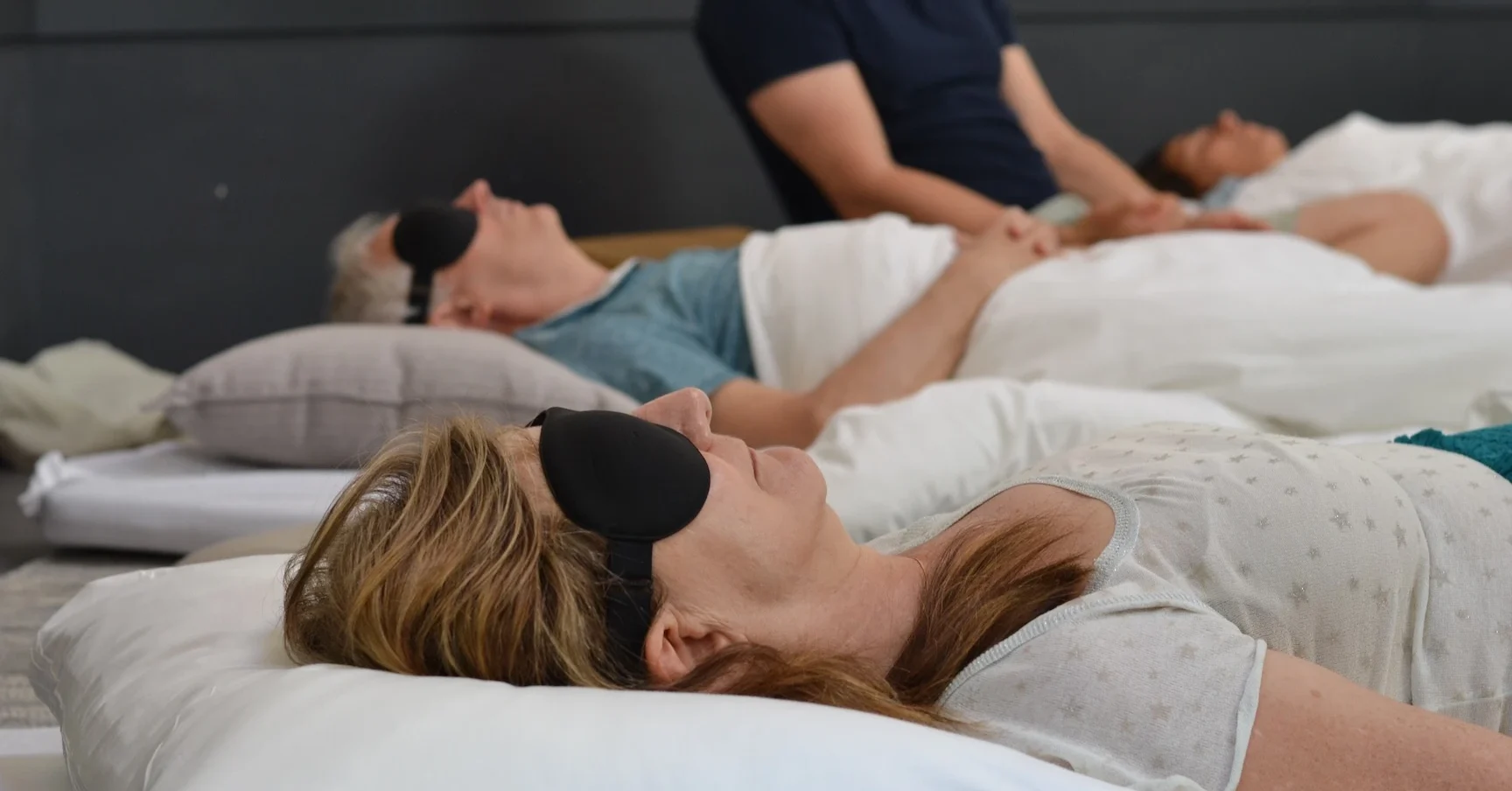
Set and setting
Set, setting & integration

Why set, setting, and integration determine the outcome

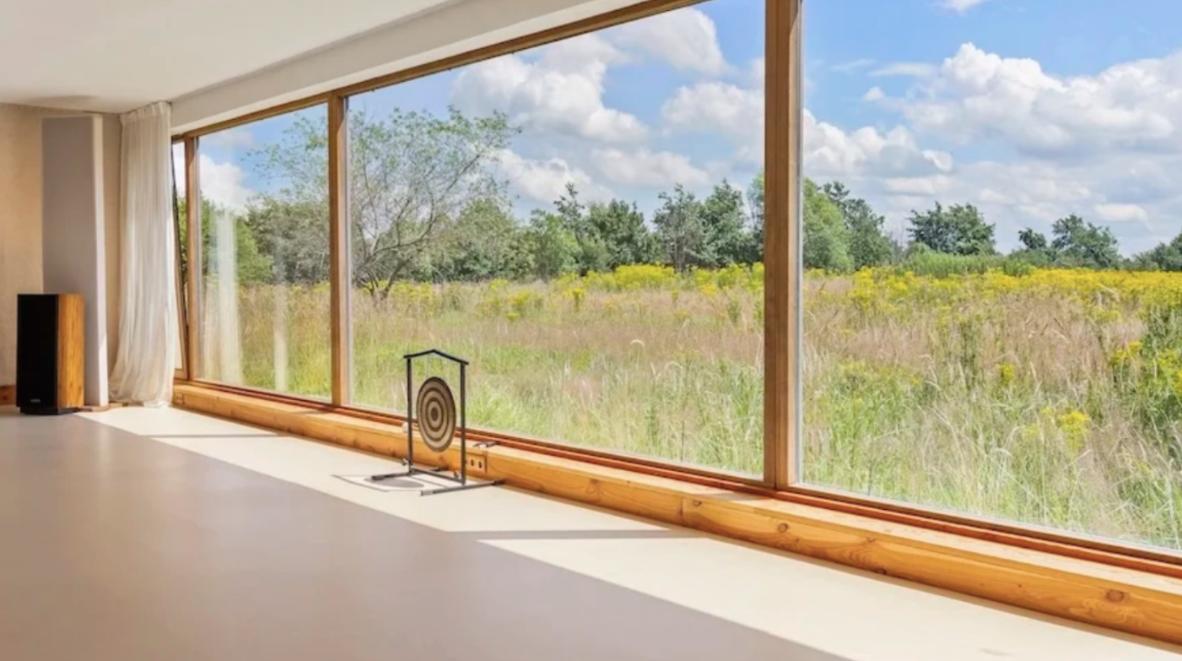
Decades of research and clinical practice confirm that psilocybin's effects are highly context-dependent. The same dose in an unsupported or poorly prepared setting can produce a very different experience than the same dose with careful intention-setting, expert facilitation, and a safe physical environment.12

At Evolute Institute, this is why our EvoSHIFT program is structured as a 12-week journey — not a single event. Three weeks of preparation, four days of immersive retreat, and two months of dedicated integration support ensure that what participants experience in the ceremony has the grounding and context it needs to become lasting transformation.
Psilocybin safety
Safety, screening & contraindications

What are the risks and contraindications of psilocybin?

Psilocybin has a well-established physiological safety profile and is not considered addictive or toxic at normal doses.10 However, it is not suitable for everyone. Participation is not appropriate for individuals with:

  • A personal or family history of psychosis, schizophrenia, or bipolar disorder with psychotic features
  • Current use of SSRIs, MAOIs, lithium, or tramadol (these can interact with psilocybin)
  • Severe cardiovascular conditions or uncontrolled hypertension
  • Pregnancy or breastfeeding
  • Active suicidal ideation without a professional support network in place

At Evolute Institute, every applicant completes a thorough medical and psychological screening before being accepted. A licensed medical doctor reviews each application and is present on-site throughout all ceremonies.

Explore

Our Offerings

What is Psilocybin?

Frequently asked questions

Psilocybin is a naturally occurring psychedelic compound found in certain species of Psilocybe mushrooms and truffles, often called “magic mushrooms” or “magic truffles.” When ingested, it is converted into psilocin — a molecule that temporarily alters brain connectivity, reducing rigid thought patterns and opening new ways of thinking and feeling. For centuries, psilocybin fungi have been used in traditional and indigenous settings for healing, insight, and spiritual connection. Today, peer-reviewed science from leading institutions is confirming their profound potential.

When ingested, psilocybin is converted into psilocin, which interacts with serotonin receptors (especially the 5-HT2A receptor). This interaction temporarily alters brain connectivity, helping to reduce rigid thought patterns and open new ways of thinking and feeling.

A psilocybin experience typically lasts 4–6 hours, with onset within 20–60 minutes of ingestion and peak effects around 2–3 hours. Many participants experience a gentle afterglow state — a sense of openness and calm — for 12–24 hours following the experience. 

Psilocybin has a well-established physiological safety profile and is not considered addictive or toxic at normal doses. Risks are primarily psychological, particularly for individuals with a personal or family history of psychosis, schizophrenia, or bipolar disorder with psychotic features. SSRIs, MAOIs, and several other medications can interact with psilocybin. This is why Evolute Institute conducts a thorough medical and psychological screening for every participant, and has a licensed physician on-site throughout all ceremonies.

Yes. In the Netherlands, psilocybin-containing truffles (the sclerotia of Psilocybe fungi) are legal to possess, prepare, and consume. Magic mushrooms — the fruiting body — remain prohibited. This legal distinction allows Evolute Institute to offer professional psilocybin retreats fully within the Dutch legal framework. You can read the official Dutch government drug policy at government.nl

Both contain psilocybin and psilocin and produce essentially identical effects. The difference is botanical and legal, not pharmacological. In the Netherlands, truffles (sclerotia) are legal while mushrooms (fruiting bodies) are not. At Evolute Institute, we use exclusively legal psilocybin truffles in all our retreat programs.
 

Prioritise: thorough medical and psychological screening before acceptance; a licensed physician on-site during ceremonies (not just on call); a facilitator-to-participant ratio of 1:2 or better; structured preparation and integration support; and transparent communication about risks and contraindications. Be cautious of providers who offer large groups, minimal screening, or promise guaranteed outcomes.

Psilocybin therapy typically refers to a clinical setting where psilocybin is administered under medical supervision as part of a regulated trial, with a specific therapeutic goal (e.g., treating treatment-resistant depression). A psilocybin retreat — like Evolute’s EvoSHIFT — is a professionally guided, legally compliant experience designed for personal growth, emotional exploration, and transformation rather than clinical treatment. Both involve preparation, guided experience, and integration. Neither is recreational.

References
Carhart-Harris R, et al. (2021). Trial of psilocybin versus escitalopram for depression. New England Journal of Medicine. View Study
Tagliazucchi E, et al. (2014). Enhanced repertoire of brain dynamical states during the psychedelic experience. Human Brain Mapping. View Study
Petri G, et al. (2014). Homological scaffolds of brain functional networks. Journal of the Royal Society Interface. View Study
Carhart-Harris RL, et al. (2017). Psilocybin for treatment-resistant depression: fMRI-measured brain mechanisms. Scientific Reports. View Study
Carhart-Harris R, et al. (2016). Psilocybin with psychological support for treatment-resistant depression. The Lancet Psychiatry. View Study
Griffiths RR, et al. (2016). Psilocybin produces substantial and sustained decreases in depression and anxiety. Journal of Psychopharmacology. View Study
Johnson MW, et al. (2014). Pilot study of psilocybin in the treatment of tobacco addiction. Journal of Psychopharmacology. View Study
Roseman L, Haijen E, et al. (2019). Emotional breakthrough and psychedelics. Journal of Psychopharmacology. View Study
Nutt DJ, et al. (2010). Drug harms in the UK: a multicriteria decision analysis. The Lancet. View Study
Dutch Government. What is Dutch drug policy? View Source
Carhart-Harris R, et al. (2018). Psychedelics and the essential importance of context. Journal of Psychopharmacology. View Study

Receive our free Evolute Program Guide and advance your quest to personal growth and wellbeing*

I agree to receive communication from Evolute Institute. My data will not be given to any other third party providers.

Advance your quest to growth and enhanced wellbeing

Sign up for the live Evolute Expert Talk

Groundbreaking ideas by leading thinkers in conversation with our Evolute hosts. Gain unique insights into your own path of personal, professional and spiritual growth. For free. 

By signing up you agree to receive communications from Evolute Institute. Your data will not be shared with any third party.

Receive Insights & Event Updates from Evolute Institute